
Diving into the realm of transitioning from siding to brick in construction, this introduction aims to captivate readers with a detailed yet engaging overview of the topic. From the reasons behind homeowners choosing this transformation to the aesthetic appeal it brings, this topic delves deep into the world of siding to brick conversions.
Moving on to the different methods of transitioning, the process of replacing siding with brick, and the plethora of design options available, this intro sets the stage for an informative and interesting discussion on siding to brick transformations.
Introduction to Siding to Brick
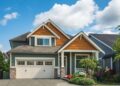
When it comes to construction, transitioning from siding to brick is a significant change that can completely transform the look and feel of a home. This process involves replacing the exterior siding of a house with brick, creating a more durable and aesthetically pleasing facade.There are several reasons why homeowners may choose to change from siding to brick.
One common reason is the desire for increased durability and longevity. Brick is known for its resilience against harsh weather conditions and is less prone to damage from pests or rot compared to traditional siding materials.In addition to durability, the aesthetic appeal of siding to brick transformation is a major factor for many homeowners.
Brick offers a timeless and classic look that can enhance the curb appeal of a home, increasing its value and overall attractiveness. The variety of colors, textures, and patterns available in brick also allows for endless design possibilities, making it a popular choice for those looking to upgrade their home's exterior.
Types of Siding to Brick Transitions
When transitioning from siding to brick, there are several methods and design options available to consider. Whether you are replacing siding with brick or simply looking to update your home's exterior, understanding the different approaches can help you achieve the desired look and functionality.
Vertical Transition
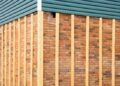
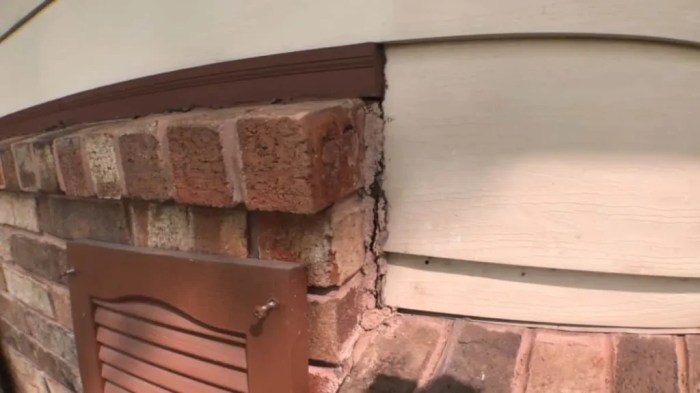
One common method for transitioning from siding to brick is through a vertical transition. This involves using brick for the lower portion of the exterior walls and siding for the upper portion. This design not only adds visual interest but also helps protect the lower part of the wall from moisture and damage.
Horizontal Transition
Another approach is the horizontal transition, where brick is used as an accent around windows, doors, or other architectural features while the majority of the exterior remains siding. This method can create a striking contrast and highlight specific areas of the facade.
Full Replacement
For a more dramatic change, you may opt for a full replacement of siding with brick. This involves removing all existing siding and replacing it with brick to completely transform the look of your home. While this method can be more costly and time-consuming, it offers a timeless and durable exterior finish.
Design Options
When converting from siding to brick, there are various design options to choose from, such as different brick colors, textures, and patterns. You can also incorporate architectural details like corbelling, quoins, or decorative brickwork to enhance the overall aesthetic appeal of your home.
Additionally, mixing materials like stone or stucco with brick can create a unique and custom look.
Benefits of Using Brick over Siding
Brick offers several advantages over siding when it comes to durability, maintenance, and energy efficiency.
Durability
- Brick is known for its exceptional durability and longevity, often lasting for centuries without needing to be replaced.
- Unlike siding, which can be susceptible to damage from weather elements such as hail or strong winds, brick is resistant to these issues.
- Brick is also fire-resistant, providing an added layer of protection to your home.
Maintenance Requirements
- Brick requires minimal maintenance compared to siding, which may need to be repainted or replaced over time.
- Regular cleaning with water and a mild detergent is usually sufficient to keep brick looking great for years.
- With proper care, brick can retain its appearance and structural integrity for decades, saving you time and money on maintenance.
Energy Efficiency
- Brick has excellent thermal mass properties, meaning it can help regulate indoor temperatures by absorbing and releasing heat slowly.
- This can result in reduced energy bills as your home stays cooler in the summer and warmer in the winter, without relying heavily on heating or cooling systems.
- By choosing brick for your construction, you can improve the overall energy efficiency of your home and reduce your carbon footprint.
Cost Considerations
When deciding between siding and brick for your home, cost is a crucial factor to consider. Both materials have different initial costs, installation expenses, and long-term savings to take into account.
Cost Differences Between Siding and Brick Materials
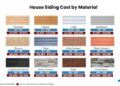
- Siding materials, such as vinyl or fiber cement, are generally more affordable compared to brick.
- Brick, being a premium material, tends to have a higher upfront cost due to the quality and durability it offers.
Breakdown of Installation Costs
- Installing siding is typically less labor-intensive and faster compared to brick, resulting in lower installation costs.
- Brick installation requires skilled masons, which can increase labor costs, making it more expensive than siding installation.
Long-Term Cost Savings with Brick
- Although brick may have a higher initial cost, it provides better insulation and durability, leading to potential long-term savings on energy bills and maintenance.
- Brick requires minimal maintenance and has a longer lifespan compared to siding, reducing the need for frequent repairs or replacements over time.
Environmental Impact
Brick as a construction material offers several environmental benefits compared to siding, making it a more eco-friendly choice for building projects. The sustainability aspects of brick contribute to its positive impact on the environment, with certifications and benefits that further support its use over siding.
Sustainability of Brick
Brick is known for its durability and longevity, which means that structures built with brick can last for centuries. This longevity reduces the need for frequent replacements, minimizing waste and the environmental impact of construction. Additionally, brick is a natural material that is sourced from clay and shale, making it a renewable resource that can be recycled and reused.
The energy efficiency of brick also contributes to sustainability, as it helps regulate temperature and reduce energy consumption for heating and cooling.
Environmental Certifications and Benefits
Brick manufacturers often adhere to environmental certifications such as LEED (Leadership in Energy and Environmental Design), which recognize sustainable building practices. Using brick in construction projects can contribute to LEED certification and other green building standards, showcasing the environmentally friendly nature of this material.
Additionally, brick offers benefits such as fire resistance, moisture control, and low maintenance requirements, further enhancing its environmental credentials.
Final Conclusion
In conclusion, the journey from siding to brick unveils a world of durability, maintenance benefits, and energy efficiency. This captivating summary encapsulates the essence of the discussion, leaving readers with a deeper understanding of the topic at hand.
Frequently Asked Questions
What are the main reasons homeowners choose to transition from siding to brick?
Homeowners often opt for this change due to the durability, aesthetic appeal, and long-term cost savings associated with brick over siding.
What are the different design options available when converting from siding to brick?
Design options include various brick patterns, colors, textures, and styles that can completely transform the look of a home.
Is brick more environmentally friendly compared to siding?
Brick is considered more eco-friendly due to its durability, recyclability, and energy efficiency benefits.