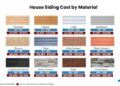

Delve into the world of house siding types, where a variety of materials offer unique characteristics and styles. From the classic charm of wood to the modern appeal of metal, this guide will walk you through everything you need to know.
Whether you're a homeowner looking to update your exterior or simply curious about the options available, this overview will provide valuable insights into the world of house siding types.
Types of House Siding
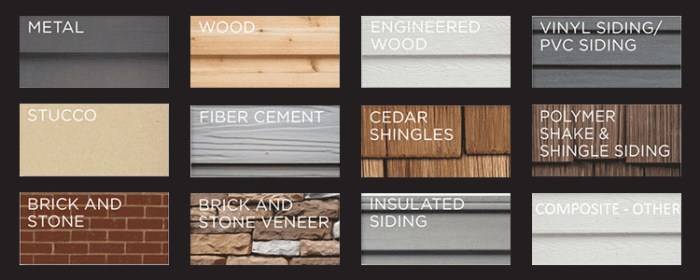
When it comes to house siding, there are various materials available in the market, each with its own set of characteristics. Let's explore some of the most popular siding types to help you make an informed decision for your home.
Vinyl Siding
- Vinyl siding is a durable option that requires minimal maintenance, making it a popular choice for many homeowners.
- It is cost-effective compared to other materials and comes in a wide range of colors and styles to suit different aesthetic preferences.
- Examples of homes with vinyl siding can be seen in suburban neighborhoods, showcasing its versatility and affordability.
Wood Siding
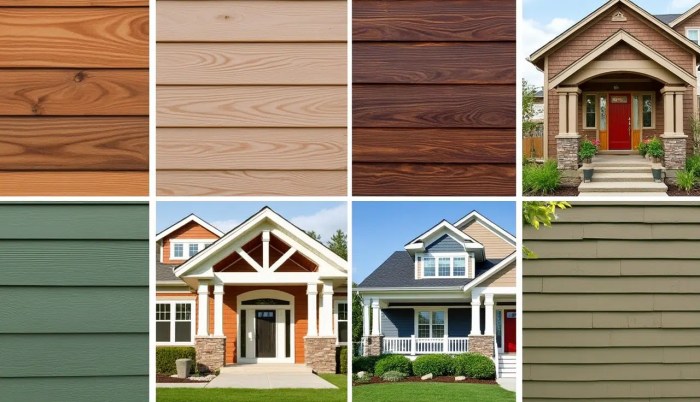
- Wood siding offers a classic and natural look, but it requires more maintenance to prevent rot, pests, and weather damage.
- While it can be more expensive upfront, the timeless appeal of wood siding adds value to a home and is often seen in traditional or rustic settings.
- Examples of homes with wood siding can be found in rural areas or historic districts, highlighting the charm and warmth it brings to a property.
Fiber Cement Siding
- Fiber cement siding combines the durability of cement with the look of wood, providing a low-maintenance and long-lasting option for homeowners.
- Although it may have a higher initial cost, its resistance to fire, insects, and rot makes it a smart investment in the long run.
- Examples of homes with fiber cement siding can be seen in modern or coastal areas, showcasing its sleek appearance and protection against harsh elements.
Metal Siding
- Metal siding, such as aluminum or steel, offers exceptional durability and requires minimal maintenance, making it a practical choice for many homeowners.
- While it may be more expensive than other materials, its longevity and resistance to pests and weather damage make it a cost-effective option in the long term.
- Examples of homes with metal siding can be found in urban settings or industrial-inspired designs, highlighting its sleek and contemporary look.
Pros and Cons of Each Siding Type

When it comes to choosing the right siding for your house, it's essential to consider the advantages and disadvantages of each type. Here, we will discuss the pros and cons of popular siding materials to help you make an informed decision.
Vinyl Siding
- Advantages:Vinyl siding is affordable, low maintenance, and comes in a variety of colors and styles. It is also resistant to rot, insects, and moisture.
- Disadvantages:On the downside, vinyl siding can crack or fade over time, and it may not be as durable as other materials like wood or fiber cement.
Wood Siding
- Advantages:Wood siding offers a natural and timeless look, is environmentally friendly, and can be easily painted or stained to match your desired aesthetic.
- Disadvantages:However, wood siding requires regular maintenance, is susceptible to rot, pests, and moisture damage, and may be more expensive than other options.
Fiber Cement Siding
- Advantages:Fiber cement siding is highly durable, fire-resistant, and can mimic the look of wood or stucco. It requires minimal maintenance and is resistant to rot and pests.
- Disadvantages:Despite its longevity, fiber cement siding can be heavy and challenging to install. It may also be more expensive upfront compared to other materials.
Metal Siding
- Advantages:Metal siding is extremely durable, weather-resistant, and can last for decades with minimal maintenance. It offers excellent protection against fire, pests, and rot.
- Disadvantages:However, metal siding may dent or scratch easily, especially in harsh weather conditions. It also has limited customization options compared to other materials.
Factors to Consider When Choosing House Siding
When selecting the most suitable house siding material, there are several important factors that homeowners should consider to ensure they make the right choice for their specific needs and preferences.
Impact of Climate and Weather Conditions
The climate and weather conditions in the area where the house is located play a crucial role in determining the most appropriate siding material. For instance, in regions with high humidity levels, it is essential to choose a siding material that is resistant to moisture and mold growth.
On the other hand, in areas prone to extreme temperature fluctuations, selecting a siding material that offers good insulation properties can help improve energy efficiency and reduce heating and cooling costs.
Maintenance Requirements
Another key consideration when choosing house siding is the maintenance requirements associated with each type of material. Some siding materials, such as vinyl and fiber cement, are relatively low maintenance and only require occasional cleaning to keep them looking their best
In contrast, wood siding may require regular painting or staining to prevent weathering and deterioration. Homeowners should factor in their willingness and ability to invest time and effort into maintaining the siding when making their decision.
Architectural Style of the Home
The architectural style of the home should also influence the choice of siding material. Different siding materials complement various architectural styles, and selecting a material that aligns with the overall design of the house can enhance its curb appeal and aesthetic appeal.
For example, cedar shake siding may be well-suited for a rustic or cottage-style home, while stucco siding may be more appropriate for a Mediterranean-inspired design.
Environmental Impact
Considering the environmental impact of different siding materials is becoming increasingly important for many homeowners. Sustainable and recyclable siding materials, such as fiber cement and engineered wood, are growing in popularity due to their eco-friendly properties. Choosing a siding material that is durable, energy-efficient, and recyclable can help reduce the environmental footprint of the home and contribute to a more sustainable living environment.
Installation and Maintenance Tips
When it comes to house siding, proper installation and maintenance are crucial for the longevity and durability of the material. Below are some tips to help you navigate through the installation process and keep your siding looking great for years to come.
General Steps for Installing House Siding
- Prepare the surface: Ensure that the surface where the siding will be installed is clean, dry, and free of any debris.
- Measure and cut: Accurately measure the dimensions of the area to be covered and cut the siding panels accordingly.
- Install the starter strip: Begin by installing the starter strip at the bottom of the wall to provide a base for the siding panels.
- Attach the siding panels: Secure the siding panels to the wall using the appropriate fasteners, following the manufacturer's instructions.
- Finish the corners and edges: Use corner pieces and trim to finish off the corners and edges for a polished look.
Maintenance and Cleaning Tips for Different Siding Materials
- Vinyl Siding:Clean with a mixture of water and mild detergent, and rinse with a garden hose. Avoid using abrasive cleaners that can damage the surface.
- Wood Siding:Regularly inspect for signs of rot or insect damage, and refinish or repaint as needed to protect the wood from moisture.
- Fiber Cement Siding:Clean with a mixture of water and mild soap, and avoid using high-pressure washers that can damage the surface.
- Brick Siding:Use a soft-bristle brush and water to clean brick siding, and inspect for mortar damage that may need repair.
Common Issues with House Siding and How to Address Them
- Mold and Mildew:Clean with a mixture of water and bleach to remove mold and mildew, and address any underlying moisture issues.
- Cracks and Gaps:Fill in cracks and gaps with caulk or sealant to prevent water infiltration and further damage.
- Fading and Discoloration:Consider repainting or refinishing the siding to restore its original color and protect it from the elements.
Best Practices for Ensuring Longevity and Durability
- Inspect your siding regularly for signs of damage or wear, and address any issues promptly to prevent further damage.
- Keep vegetation trimmed away from the siding to prevent moisture buildup and potential damage from plant growth.
- Consider applying a protective sealant or coating to extend the lifespan of your siding and enhance its resistance to the elements.
End of Discussion
In conclusion, understanding the different house siding types empowers you to make informed decisions when it comes to your home's exterior. With this knowledge in hand, you can confidently choose the siding material that best suits your needs, preferences, and budget.
Expert Answers
What factors should I consider when choosing house siding?
Consider the climate, maintenance requirements, architectural style of your home, and the environmental impact of the siding materials.
Is metal siding a durable option for homes?
Metal siding is known for its durability and customization options, making it a popular choice for many homeowners.
How do I maintain different types of house siding?
Regular cleaning and inspections are key to maintaining house siding. Use appropriate cleaning products and techniques based on the material.
What are the pros and cons of fiber cement siding?
Fiber cement siding offers longevity and a variety of appearance options, but it may require more maintenance compared to other materials.
Can vinyl siding be a cost-effective choice for homeowners?
Yes, vinyl siding is often seen as a cost-effective option due to its initial affordability and low maintenance requirements.