

Embark on a journey through the realm of home improvement, where every nail hammered and paint stroke can transform a house into a dream home. From boosting property value to creating a more comfortable living environment, the possibilities are endless.
Dive into this guide to discover the secrets of turning a house into a haven.
Whether you're a seasoned DIY enthusiast or a novice looking to spruce up your space, this guide covers everything you need to know about home improvement projects, trends, and budgeting.
Importance of Home Improvement
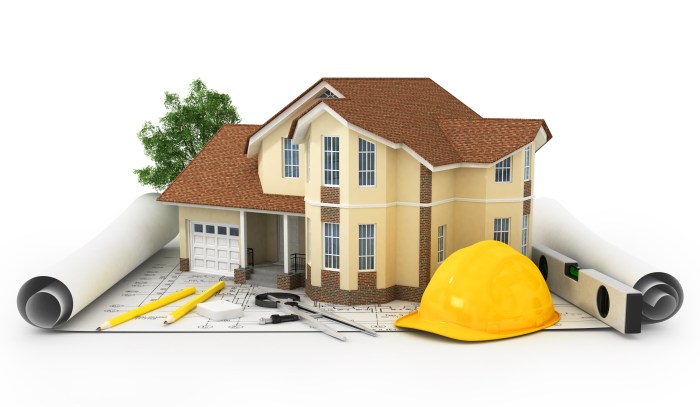
Home improvement plays a crucial role in enhancing the overall value of a property. By investing in upgrades and renovations, homeowners can significantly increase the resale value of their homes, making it a worthwhile investment in the long run.
Enhancing Quality of Living
Home improvement projects not only add value to a property but also enhance the quality of living for homeowners. Upgrades such as modernizing the kitchen, renovating the bathroom, or adding more natural light can create a more comfortable and enjoyable living space for the residents.
Impact on Energy Efficiency
- Updating insulation and sealing drafts can improve energy efficiency, reducing utility bills and creating a more sustainable living environment.
- Installing energy-efficient appliances and fixtures can further contribute to lower energy consumption and a greener home.
Popular Home Improvement Projects
Homeowners often undertake various home improvement projects to enhance the aesthetics, functionality, and value of their properties. Some common projects include:
Kitchen or Bathroom Renovation
Renovating a kitchen or bathroom involves a series of steps to transform these spaces into more modern and efficient areas. The process typically includes:
- Planning the layout and design based on the homeowner's preferences and needs.
- Demolition of existing fixtures and structures to make way for new installations.
- Installation of new cabinets, countertops, appliances, and fixtures.
- Plumbing and electrical work to ensure everything is up to code.
- Finishing touches such as painting, tiling, and accessorizing.
Upgrading Outdoor Spaces
Improving outdoor spaces like gardens or patios can greatly enhance a home's curb appeal and provide additional living space. Some tips for upgrading outdoor areas include:
- Adding landscaping elements such as plants, trees, and flowers to create a welcoming environment.
- Installing outdoor lighting to enhance safety and ambiance during evenings.
- Building a patio or deck for outdoor entertaining and relaxation.
- Creating designated areas for dining, lounging, or gardening to maximize the use of outdoor space.
DIY vs. Professional Help
When it comes to home improvement projects, one of the biggest decisions you'll face is whether to tackle the task yourself or hire a professional. Each option has its own set of benefits and drawbacks, so it's important to consider your skill level, time availability, and budget before making a decision.
Benefits and Drawbacks of DIY Home Improvement
DIY projects can be a great way to save money and add a personal touch to your home. You have full control over the project and can work at your own pace. However, DIY projects can also be time-consuming and may require a steep learning curve, especially for complex tasks.
Mistakes can be costly and may end up costing more to fix than if you had hired a professional from the start.
When to Hire Professionals for Projects
There are certain projects where it's best to hire a professional to ensure the job is done correctly and safely. Projects that involve structural changes, electrical work, or plumbing should always be handled by a licensed professional. Additionally, if the project requires specialized tools or expertise that you don't possess, it's best to leave it to the professionals.
Examples of DIY Projects Suitable for Beginners
- Painting a room
- Installing shelving or cabinets
- Replacing light fixtures
- Landscaping and gardening
Budgeting for Home Improvement
When planning for home improvement projects, creating a budget is crucial to ensure that the renovations stay within financial limits. Proper budgeting can help prioritize expenses and make informed decisions throughout the renovation process.
Creating a Budget for Home Improvement Projects
To create a budget for home improvement projects, start by outlining the scope of the project and identifying the specific areas that need renovation. Research the cost of materials, labor, and any additional expenses such as permits or design fees.
Set aside a contingency fund for unexpected costs that may arise during the renovation.
- Make a list of all the materials and services needed for the project.
- Obtain multiple quotes from contractors to compare prices and choose the most cost-effective option.
- Allocate funds for each aspect of the project, such as demolition, construction, and finishing touches.
- Track expenses throughout the renovation process to ensure that the budget is being followed.
Cost-Saving Measures During Renovations
During home renovations, there are several cost-saving measures that homeowners can implement to stay within budget without compromising on quality.
- Consider DIY projects for tasks that can be completed without professional help.
- Shop for materials during sales or discounts to save on costs.
- Reuse or repurpose existing materials or furniture to reduce expenses.
- Opt for energy-efficient appliances and fixtures to save on utility bills in the long run.
Financial Impact of Different Types of Home Improvements
Different types of home improvements can have varying financial impacts on the value of a property. Some renovations may increase the resale value of a home, while others may not provide a significant return on investment.
- Major kitchen and bathroom renovations typically yield a high return on investment.
- Adding a deck or patio can increase the appeal of outdoor living spaces and enhance the value of a property.
- Upgrading insulation and windows can improve energy efficiency and reduce utility costs.
- Landscaping improvements can enhance curb appeal and attract potential buyers.
Trends in Home Improvement
Home improvement trends are constantly evolving to meet the changing needs and preferences of homeowners. Let's take a look at some of the current trends shaping the world of home improvement.
Sustainable and Eco-Friendly Home Improvements
In recent years, there has been a significant increase in the popularity of sustainable and eco-friendly home improvements. Homeowners are becoming more conscious of their environmental impact and are opting for materials and designs that are energy-efficient and environmentally friendly.
From solar panels to energy-efficient appliances, sustainable home improvements are not only beneficial for the environment but also help homeowners save money in the long run.
Smart Home Technology
The integration of smart home technology is revolutionizing the way we approach home improvement projects. From smart thermostats and lighting systems to automated security cameras and door locks, homeowners are embracing the convenience and efficiency that smart home technology offers.
These innovative technologies not only enhance the functionality of our homes but also increase their overall value.
Final Thoughts
As we reach the end of this insightful exploration into home improvement, remember that every improvement made to your home is an investment in your comfort and happiness. From DIY projects to professional renovations, the key is to create a space that truly reflects your personality and style.
Start your home improvement journey today and watch your living space transform before your eyes.
Common Queries
How does home improvement impact property value?
Home improvement projects such as kitchen renovations or bathroom upgrades can significantly increase the value of a property, making it more attractive to potential buyers.
When should I consider hiring professionals for home improvement projects?
It's advisable to hire professionals for complex projects like electrical work or structural changes. DIY is suitable for smaller tasks such as painting or minor repairs.
What are some cost-saving tips for home improvement projects?
Consider refurbishing existing items, comparison shopping for materials, and planning ahead to avoid unexpected expenses.
What are the current trends in home improvement design?
Current trends include minimalist aesthetics, sustainable materials, and the integration of smart home technology for convenience and energy efficiency.
How can home improvement projects enhance energy efficiency?
Upgrading insulation, installing energy-efficient appliances, and using smart home technology can all contribute to reducing energy consumption and costs.