

Exploring the dynamic world of construction, this guide dives deep into the significance of the industry, the materials used, construction techniques, sustainable practices, and project management. With a blend of traditional and modern methods, this overview sheds light on the key players shaping the built environment.
From the foundations to the finishing touches, this overview covers everything you need to know about construction, making it an essential read for anyone interested in the field.
Overview of Construction Industry
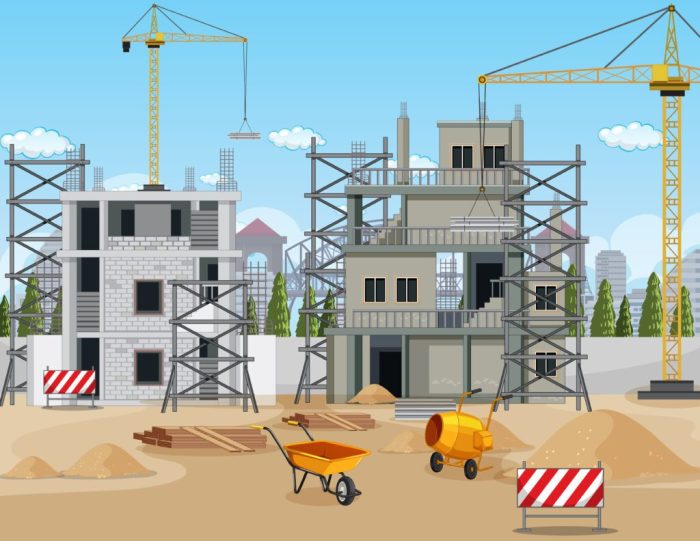
The construction industry plays a vital role in the economy, contributing significantly to economic growth and development. It encompasses various sectors that cater to different construction needs and requirements.
Sectors within the Construction Industry
- Residential Construction: Involves the construction of homes, apartments, and other residential buildings.
- Commercial Construction: Focuses on building structures for businesses, such as offices, retail stores, and hotels.
- Industrial Construction: Includes the construction of facilities for manufacturing, production, and warehousing.
- Infrastructure Construction: Involves projects related to roads, bridges, airports, and other public infrastructure.
Key Players in the Construction Process
- Contractors: Responsible for executing the construction work according to the project plans and specifications.
- Architects: Design the overall look and layout of the building or structure.
- Engineers: Provide technical expertise in structural, electrical, mechanical, and other aspects of construction.
- Subcontractors: Specialized workers hired by contractors to perform specific tasks within the project.
Construction Materials
In the construction industry, various materials are used to build structures that are durable, strong, and safe. Each material has its own unique properties and characteristics that make it suitable for different types of construction projects.
Concrete
Concrete is one of the most commonly used construction materials due to its strength, durability, and versatility. It is made by mixing cement, water, and aggregates like sand and gravel. Concrete can be molded into different shapes and sizes, making it ideal for building foundations, walls, and floors.
Steel
Steel is another essential construction material known for its strength and flexibility. It is commonly used in the construction of skyscrapers, bridges, and other large structures. Steel is durable and can withstand high levels of stress, making it a preferred choice for buildings that require structural integrity.
Wood
Wood is a natural construction material that is renewable and sustainable. It is commonly used in residential construction for framing, flooring, and finishing. Wood is lightweight, easy to work with, and provides excellent insulation properties.
Comparison of Sustainability
Concrete
While concrete is durable and long-lasting, the production of cement, a key ingredient in concrete, releases a significant amount of carbon dioxide into the atmosphere. However, advancements in technology have led to the development of eco-friendly concrete mixes that reduce carbon emissions.
Steel
Steel is recyclable and can be reused multiple times without losing its strength. Recycling steel reduces energy consumption and greenhouse gas emissions compared to producing new steel.
Wood
Wood is a renewable resource that can be sustainably harvested. When sourced from responsibly managed forests, wood can be a highly sustainable construction material that helps to reduce carbon emissions.
Construction Techniques and Methods
Traditional construction methods have long relied on the use of brick and mortar to build structures. This involves laying individual bricks or blocks in layers using mortar as a binding agent. On the other hand, modern construction techniques such as prefabrication and 3D printing have revolutionized the industry by offering faster and more efficient ways to construct buildings.
Importance of Safety Measures in Construction Sites
Safety measures in construction sites are crucial to prevent accidents and ensure the well-being of workers. This includes providing proper training, using protective gear, implementing safety protocols, and maintaining a hazard-free environment.
Innovative Construction Methods
One of the innovative construction methods being adopted in the industry is modular construction
Sustainable Construction Practices
Sustainable construction practices focus on reducing the environmental impact of building projects while promoting energy efficiency and resource conservation. By incorporating green building techniques, renewable energy sources, and innovative designs, construction can be more environmentally friendly and cost-effective in the long run.
Green Building Practices and Benefits
Green building practices involve using materials and techniques that minimize waste, conserve energy, and reduce pollution. Benefits include lower operating costs, improved indoor air quality, and increased property value. Examples of green building practices include using recycled materials, implementing energy-efficient systems, and designing for natural lighting and ventilation.
Renewable Energy Sources in Construction
- Utilization of solar panels to harness solar energy for electricity generation.
- Integration of wind turbines to produce renewable energy for powering buildings.
- Incorporation of geothermal systems to utilize the Earth's heat for heating and cooling purposes.
Zero-Energy Buildings and Environmental Impact
Zero-energy buildings are structures that generate as much energy as they consume over the course of a year. By incorporating energy-efficient systems, renewable energy sources, and advanced technologies, zero-energy buildings help reduce greenhouse gas emissions and combat climate change. These buildings play a crucial role in promoting sustainability and environmental responsibility in the construction industry.
Project Management in Construction
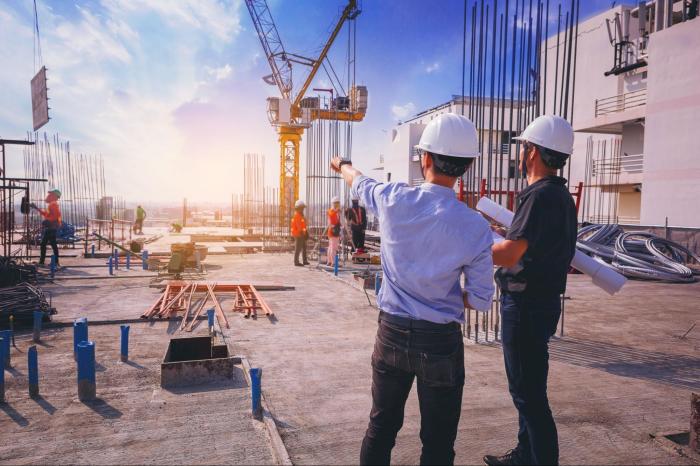
Project management in construction involves overseeing the various stages of a construction project to ensure its successful completion. This includes planning, design, execution, monitoring, and completion of the project.
Stages of a Construction Project
- Planning: Involves defining the scope, budget, and timeline of the project.
- Design: Developing the architectural and engineering plans for the construction project.
- Execution: Carrying out the construction work as per the design and plan.
- Monitoring: Keeping track of progress, budget, and quality throughout the project.
- Completion: Handing over the completed project to the client and ensuring all requirements are met.
Role of Project Managers and Responsibilities
- Project managers are responsible for overall planning, coordination, and control of a project from beginning to end.
- They manage resources, budgets, schedules, and ensure quality standards are met.
- Project managers also communicate with stakeholders, resolve issues, and mitigate risks to ensure project success.
Use of Technology in Project Management for Construction Projects
- Technology plays a crucial role in project management by improving communication, collaboration, and efficiency.
- Project management software helps in scheduling, budgeting, and tracking progress in real-time.
- Building Information Modeling (BIM) allows for 3D modeling and simulation of construction projects, aiding in planning and coordination.
- Drones and sensors are used for site inspections and monitoring progress, enhancing safety and efficiency.
Conclusive Thoughts
In conclusion, the construction industry continues to evolve, embracing innovation and sustainability to meet the demands of a changing world. By understanding the intricacies of construction, we pave the way for a brighter, more resilient future.
Detailed FAQs
What are the key sectors in the construction industry?
The construction industry consists of residential, commercial, industrial, and infrastructure sectors.
How do sustainable construction practices benefit the environment?
Sustainable construction practices help reduce carbon footprint, conserve resources, and promote healthier living environments.
What is the role of project managers in construction projects?
Project managers oversee the planning, execution, and completion of construction projects, ensuring they stay on track and within budget.