

Embark on a journey through the realm of energy efficiency, a key player in the realm of sustainable development. From reducing greenhouse gas emissions to unlocking economic benefits, this topic holds the promise of a greener, more efficient future.
As we delve deeper into the significance of energy efficiency, we uncover a world of innovative technologies, smart solutions, and eco-friendly practices that are reshaping the way we consume energy.
Importance of Energy Efficiency
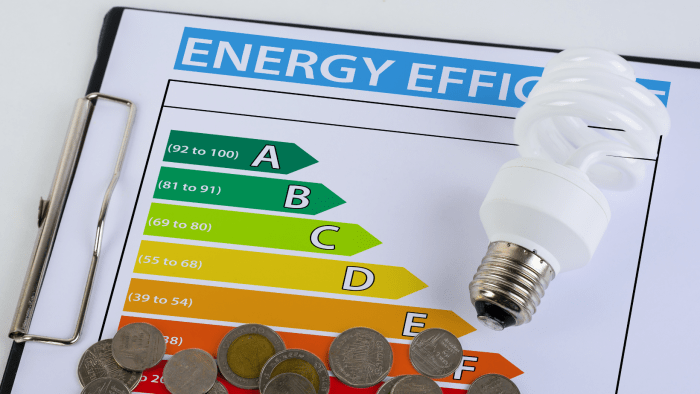
Energy efficiency plays a crucial role in promoting sustainable development by reducing energy consumption and minimizing the environmental impact of energy production. By optimizing the use of energy resources, we can mitigate the effects of climate change and work towards a cleaner, greener future.
Reducing Greenhouse Gas Emissions
Implementing energy-efficient practices can significantly reduce greenhouse gas emissions, which are the primary driver of climate change. By improving the energy efficiency of buildings, transportation, and industrial processes, we can lower our carbon footprint and contribute to a healthier planet for future generations.
- Upgrading to energy-efficient appliances and lighting systems can lower electricity consumption and decrease the demand for fossil fuels.
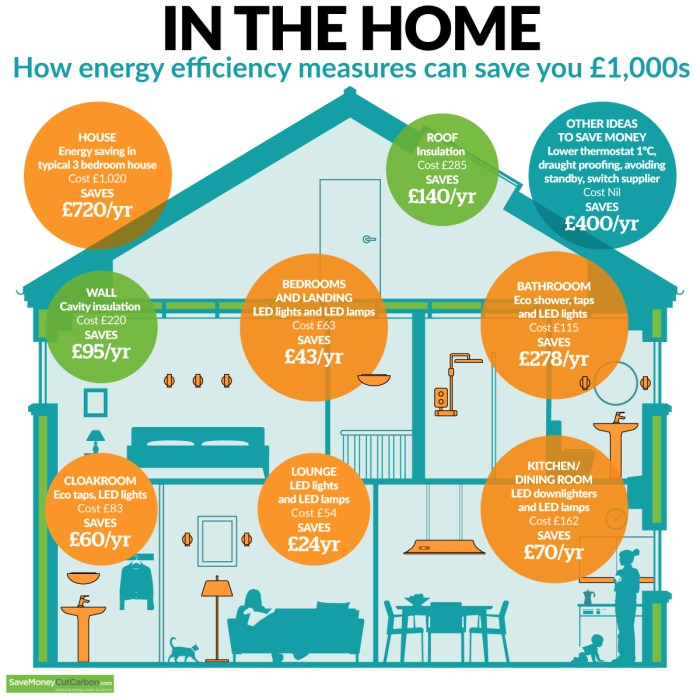
- Improving the insulation and sealing of buildings can reduce heating and cooling needs, leading to lower energy consumption and greenhouse gas emissions.
- Switching to renewable energy sources, such as solar or wind power, can further enhance energy efficiency and decrease reliance on polluting energy sources.
Economic Benefits
In addition to environmental advantages, energy efficiency also brings significant economic benefits. By cutting energy costs and increasing productivity, businesses can save money and improve their bottom line. Energy-efficient practices can also create new job opportunities in the renewable energy sector and stimulate economic growth.
- Investing in energy-efficient technologies and infrastructure can lead to long-term savings on energy bills and operational costs.
- Government incentives and programs promoting energy efficiency can help businesses and households make cost-effective upgrades to their energy systems.
- Reducing energy waste and optimizing energy use can enhance overall productivity and competitiveness in the market.
Energy-Efficient Technologies
Energy-efficient technologies play a crucial role in reducing energy consumption and promoting sustainability. These innovative solutions help households and businesses save on energy costs while minimizing their environmental impact.
Smart Home Devices
Smart home devices are a key component of energy-efficient technologies, offering automation and control capabilities to optimize energy usage. These devices allow users to remotely monitor and adjust their energy consumption, leading to significant savings over time.
LED Lighting vs. Traditional Lighting
When comparing traditional lighting systems with LED lighting, it's evident that LED lights are far more energy-efficient. LED bulbs consume significantly less energy than incandescent or fluorescent bulbs, while also lasting much longer. This not only reduces electricity bills but also decreases the frequency of bulb replacements, further contributing to energy savings.
Energy-Efficient Building Design
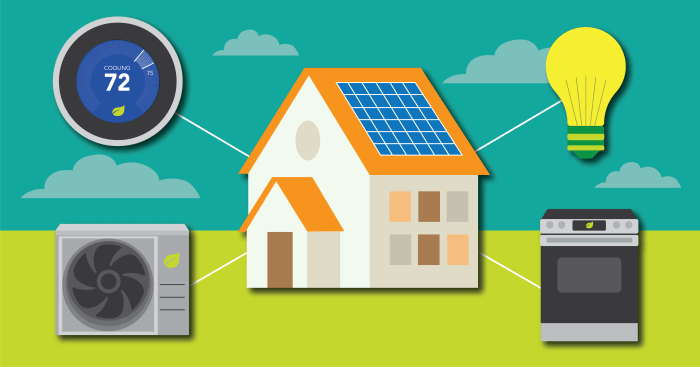
Passive solar design plays a crucial role in enhancing energy efficiency in buildings by utilizing the sun's energy to provide heating, cooling, and lighting. This design approach involves strategically positioning windows, walls, and floors to maximize natural light and heat during the winter while minimizing heat gain in the summer.
Role of Insulation
Insulation is key to improving the energy performance of a building by reducing heat transfer through walls, floors, and roofs. Proper insulation helps maintain a consistent indoor temperature, reducing the need for heating and cooling systems to work harder and consume more energy.
- Insulation materials like fiberglass, cellulose, and foam help create a thermal barrier that prevents heat loss in the winter and heat gain in the summer.
- By insulating the building envelope, including walls, roofs, and floors, energy efficiency is greatly enhanced, leading to lower energy bills and a reduced carbon footprint.
- Properly insulated buildings also provide better indoor comfort by reducing drafts and temperature fluctuations.
Green Building Materials
Green building materials are sustainable alternatives that support energy efficiency in building design by reducing energy consumption during manufacturing, transportation, and use.
- Bamboo flooring, recycled steel, and reclaimed wood are examples of green building materials that are both eco-friendly and energy-efficient.
- Low-emissivity (Low-E) windows, made with a special coating to reduce heat transfer, help maintain indoor temperatures and reduce reliance on heating and cooling systems.
- Structural insulated panels (SIPs) made from foam insulation sandwiched between two panels provide superior insulation and energy efficiency compared to traditional building materials.
Energy Efficiency in Transportation
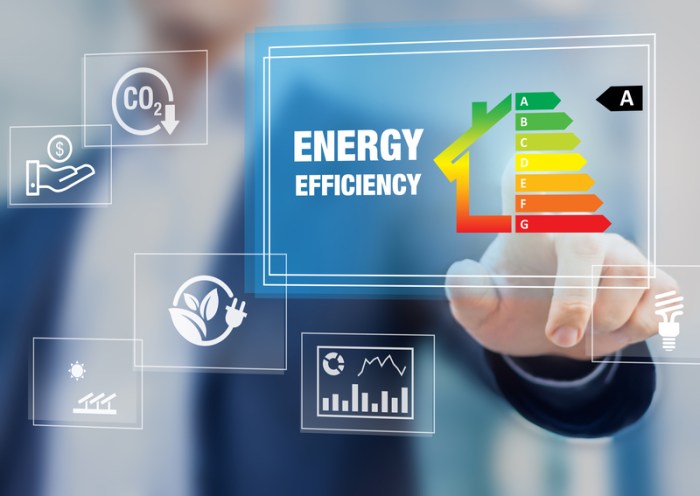
Electric vehicles have revolutionized the transportation sector by significantly reducing energy consumption and emissions compared to traditional gasoline-powered vehicles. The shift towards electric vehicles has been instrumental in promoting energy efficiency and sustainability in the transportation industry.
Impact of Electric Vehicles on Reducing Energy Consumption
Electric vehicles are powered by electricity stored in rechargeable batteries, eliminating the need for fossil fuels. This transition to electric vehicles has led to a substantial reduction in greenhouse gas emissions and air pollution, contributing to a cleaner and more sustainable environment.
The use of regenerative braking technology in electric vehicles also helps to improve energy efficiency by converting kinetic energy into electrical energy during braking, further reducing energy consumption.
Benefits of Public Transportation in Improving Energy Efficiency
Public transportation plays a vital role in promoting energy efficiency by reducing the number of individual vehicles on the road. By encouraging more people to use public transportation, energy consumption and emissions associated with personal vehicles are significantly reduced. Public transportation systems also have the potential to integrate energy-efficient technologies, such as electric buses and trains, further enhancing their environmental impact.
Innovative Technologies for Fuel-Efficient Vehicles
In addition to electric vehicles, there are various innovative technologies being developed to improve the fuel efficiency of traditional vehicles. These technologies include hybrid vehicles that combine internal combustion engines with electric motors, as well as advanced engine designs and lightweight materials to reduce fuel consumption.
Additionally, advancements in autonomous driving and vehicle-to-vehicle communication systems can optimize driving patterns and reduce energy waste on the road.
Epilogue
In conclusion, energy efficiency stands as a beacon of hope for a more sustainable tomorrow. By embracing energy-efficient technologies, building designs, and transportation solutions, we pave the way for a greener, more efficient world for generations to come.
User Queries
How does energy efficiency contribute to sustainable development?
Energy efficiency plays a crucial role in sustainable development by reducing energy consumption, lowering greenhouse gas emissions, and promoting a more eco-friendly way of living.
What are some examples of energy-efficient technologies?
Some examples include smart thermostats, energy-efficient appliances, solar panels, and LED lighting.
How does passive solar design enhance energy efficiency in buildings?
Passive solar design utilizes the sun's energy for heating and lighting, reducing the need for artificial heating and cooling systems, thus improving energy efficiency.
What impact do electric vehicles have on reducing energy consumption?
Electric vehicles help reduce the dependence on fossil fuels and lower greenhouse gas emissions, thus contributing to energy efficiency in the transportation sector.
Why is public transportation beneficial for improving energy efficiency?
Public transportation helps reduce the number of individual vehicles on the road, leading to lower fuel consumption and decreased emissions, ultimately improving energy efficiency.