

Embark on a journey through the world of color schemes, where the use of colors goes beyond aesthetics and plays a crucial role in design projects. From evoking emotions to creating visual harmony, color schemes are a powerful tool that designers use to communicate their message effectively.
Importance of Color Schemes
Color schemes play a crucial role in design as they have the power to evoke emotions, create visual interest, and communicate messages effectively. The choice of colors can significantly impact the overall aesthetic of a project, influencing how it is perceived by the audience.
Impact on Aesthetic Appeal
Color schemes can make or break a design, affecting the mood, harmony, and balance of the composition. For example, a monochromatic color scheme using varying shades of a single color can create a sense of simplicity and elegance. On the other hand, a complementary color scheme, with colors opposite each other on the color wheel, can generate visual excitement and vibrancy.
Examples in Various Design Disciplines
- In Graphic Design: The use of a triadic color scheme, which consists of three colors equidistant on the color wheel, can result in a dynamic and well-balanced design.
- In Interior Design: A analogous color scheme, with colors next to each other on the color wheel, can create a harmonious and cohesive look in a room.
- In Fashion Design: A monochromatic color scheme in an outfit can convey sophistication and style, while a split-complementary scheme can add a pop of color and interest.
Types of Color Schemes
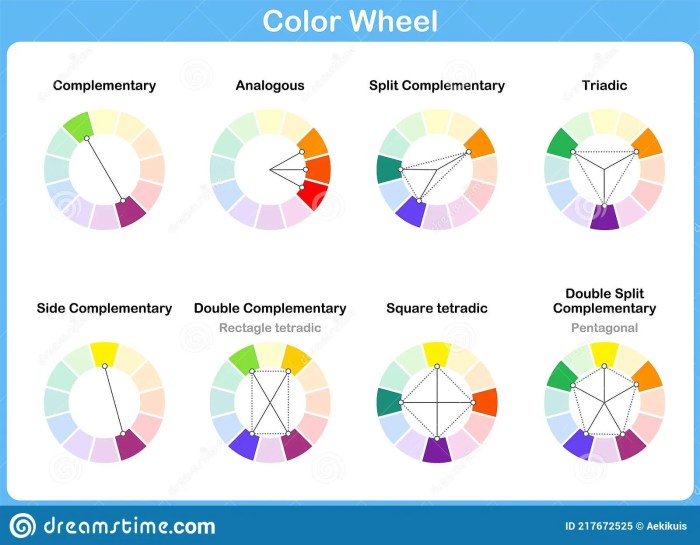
When it comes to design, different types of color schemes are used to create visually appealing and harmonious compositions. Each type of color scheme has its unique characteristics and can evoke different emotions and reactions from viewers.
Monochromatic Color Scheme
A monochromatic color scheme uses variations of a single color, along with its tints and shades. This type of color scheme is elegant and creates a sense of unity and simplicity. Monochromatic schemes are effective in creating a calming and cohesive visual experience.
For example, using different shades of blue in a design can create a serene and soothing atmosphere.
Analogous Color Scheme
An analogous color scheme involves colors that are adjacent to each other on the color wheel. This type of color scheme is harmonious and pleasing to the eye. Analogous schemes are effective in creating a sense of warmth and comfort.
For instance, using shades of red, orange, and yellow together can create a vibrant and energetic composition.
Complementary Color Scheme
A complementary color scheme consists of colors that are opposite each other on the color wheel. This type of color scheme creates a high contrast and dynamic visual impact. Complementary schemes are effective in making elements stand out and grab the viewer's attention.
For example, pairing blue with orange can create a bold and striking design.
Triadic Color Scheme
A triadic color scheme uses three colors that are evenly spaced around the color wheel. This type of color scheme is vibrant and balanced, offering a wide range of possibilities. Triadic schemes are effective in creating colorful and lively compositions.
For instance, using red, yellow, and blue together can result in a playful and dynamic design.Overall, the choice of color scheme in design plays a crucial role in conveying emotions, setting the mood, and engaging viewers on a visual level.
Understanding the different types of color schemes and their effects can help designers create impactful and visually appealing designs.
Creating Harmonious Color Schemes
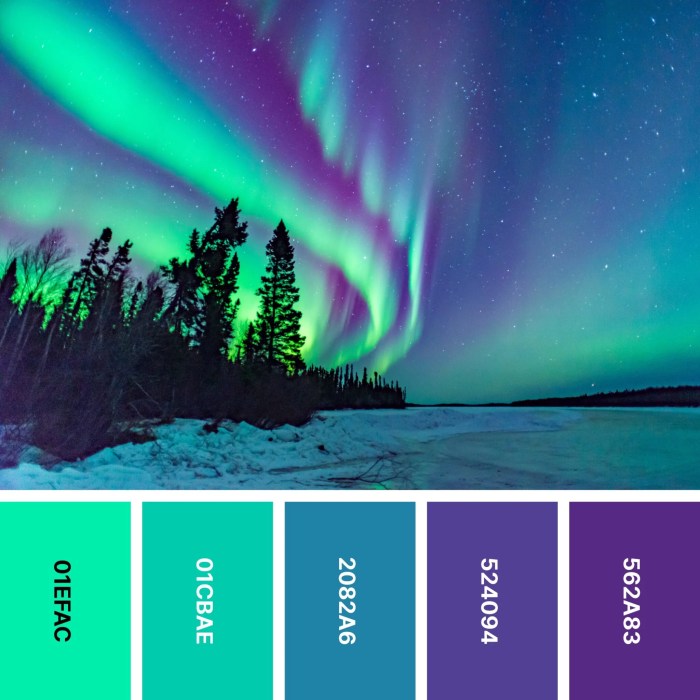
Creating a harmonious color scheme involves selecting colors that complement each other well to achieve a visually appealing outcome. This process requires careful consideration of color theory principles to ensure a balanced and cohesive design.
Choosing Complementary Colors
When choosing colors for a harmonious color scheme, it is essential to consider the color wheel. Complementary colors are located opposite each other on the color wheel and create a high contrast when paired together. This contrast adds visual interest and vibrancy to the design.
Balancing Colors for Harmony
To achieve visual harmony in a color scheme, it is important to balance the use of different colors. One way to do this is by using the 60-30-10 rule, where 60% of the design is a dominant color, 30% is a secondary color, and 10% is an accent color.
This balance ensures that one color does not overpower the others, creating a cohesive and balanced look.
Implementing Color Schemes
Implementing color schemes is a crucial aspect of design projects across various industries. The strategic use of colors can evoke specific emotions, convey brand messages, and create visually appealing experiences for users. Let's explore how color schemes are effectively implemented in different design projects and their impact on user engagement.
Branding
In branding, color schemes play a significant role in shaping the perception of a company or product. Successful brands carefully select colors that align with their brand identity and values. For example, the vibrant red of Coca-Cola or the calming blue of Facebook are instantly recognizable and evoke specific feelings associated with the respective brands.
Consistent use of color across branding materials helps in brand recognition and establishes a strong visual identity.
Websites
When it comes to websites, color schemes are essential for creating a cohesive and visually appealing user experience. Websites often use a primary color along with complementary colors to guide users' attention, create hierarchy, and enhance readability. For instance, e-commerce websites may use contrasting colors for call-to-action buttons to prompt users to make a purchase.
Additionally, color choices can influence how users perceive a brand's credibility, trustworthiness, and professionalism.
Interior Design
In interior design, color schemes are used to evoke specific moods and create harmonious spaces. Different color combinations can impact the perceived size of a room, influence the flow of natural light, and create a sense of warmth or coolness.
For example, a monochromatic color scheme in a bedroom can create a serene and relaxing atmosphere, while a bold color scheme in a restaurant can energize and excite diners. Interior designers use color theory to create spaces that cater to the emotional and functional needs of their clients.
Last Point
In conclusion, color schemes are not just about choosing colors; they are about creating an experience. By understanding the importance of color schemes, exploring different types, and mastering the art of harmonious combinations, designers can elevate their projects to new heights of creativity and impact.
Common Queries
How do color schemes impact user experience?
Color schemes can influence how users perceive and interact with a design, affecting readability, emotions evoked, and overall engagement.
What are some examples of monochromatic color schemes?
Monochromatic color schemes consist of variations of a single color, such as different shades of blue or grey.
Why is it important to balance colors in a color scheme?
Balancing colors ensures that no single color overwhelms the others, creating a visually pleasing and harmonious design.