
Exploring the various factors influencing the cost of installing vinyl siding, this article delves into the impact of house size, the quality of the siding, and labor costs. Let's uncover the key elements that determine the price to install vinyl siding.
Detailing the comparison between vinyl siding installation costs and other siding materials, this piece aims to provide a comprehensive view of the expenses involved in different types of siding.
Factors affecting the cost of vinyl siding installation
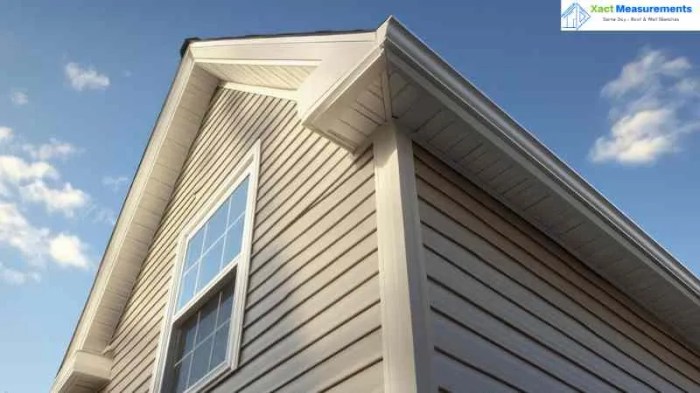
When it comes to the cost of vinyl siding installation, several factors come into play that can influence the overall price. Understanding these factors can help homeowners make informed decisions and budget accordingly.
House Size
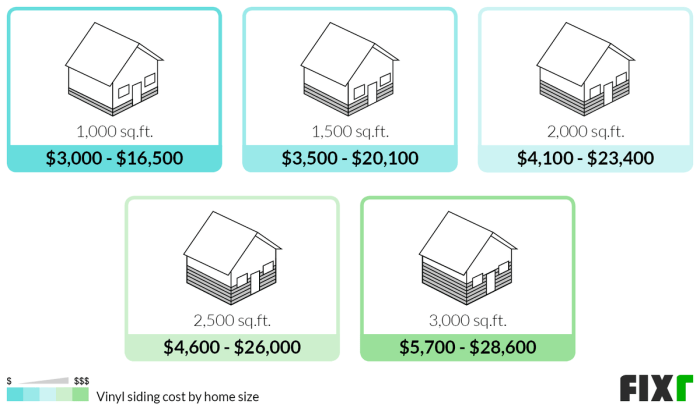
The size of your house is a significant factor that affects the cost of vinyl siding installation. Larger houses require more materials and labor to complete the job, which can result in a higher overall price. Smaller homes, on the other hand, may cost less to install vinyl siding due to the reduced amount of materials and labor needed.
Quality of Vinyl Siding
The quality of the vinyl siding you choose can also impact the total cost of installation. Higher quality vinyl siding typically comes with a higher price tag, but it can offer benefits such as increased durability and longevity. While opting for cheaper vinyl siding may reduce initial costs, it could end up costing more in the long run if repairs or replacements are needed sooner.
Labor Costs
Labor costs play a crucial role in determining the total price of vinyl siding installation. The more experienced and skilled the contractors are, the higher their labor costs may be. Additionally, factors such as location, accessibility of the property, and the complexity of the job can also influence labor costs.
It's essential to consider these factors when budgeting for vinyl siding installation to ensure a smooth and successful project.
Comparison of vinyl siding installation costs with other siding materials
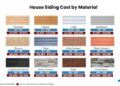
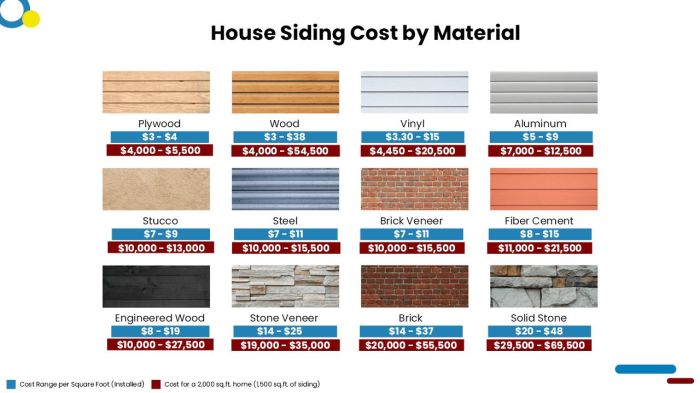
When considering different siding materials for your home, it is important to compare the costs associated with installation. Here, we will explore how the cost of installing vinyl siding compares to other popular options like fiber cement and wood siding.
Cost Difference between Vinyl Siding and Fiber Cement Siding Installation
When it comes to installation costs, vinyl siding is generally more affordable than fiber cement siding. Fiber cement siding is known for its durability and low maintenance, but it requires more labor and expertise to install compared to vinyl siding.
As a result, the installation cost for fiber cement siding is usually higher than that of vinyl siding.
Comparison of Vinyl Siding Installation Costs to Wood Siding
While wood siding can give a home a beautiful and natural look, it is typically more expensive to install than vinyl siding. Wood siding requires more maintenance over time, which can add to the overall cost of ownership. On the other hand, vinyl siding is relatively easy to install and requires minimal maintenance, making it a cost-effective choice for many homeowners.
Advantages and Disadvantages of Choosing Vinyl Siding Based on Installation Price
Choosing vinyl siding for your home can offer several advantages in terms of installation cost. Vinyl siding is affordable, easy to install, and requires minimal upkeep, which can save you money in the long run. However, some homeowners may prefer the aesthetic appeal of wood siding or the durability of fiber cement siding, despite the higher installation costs associated with these materials.
Ultimately, the decision to choose vinyl siding will depend on your budget, maintenance preferences, and desired look for your home.
Cost breakdown of vinyl siding installation
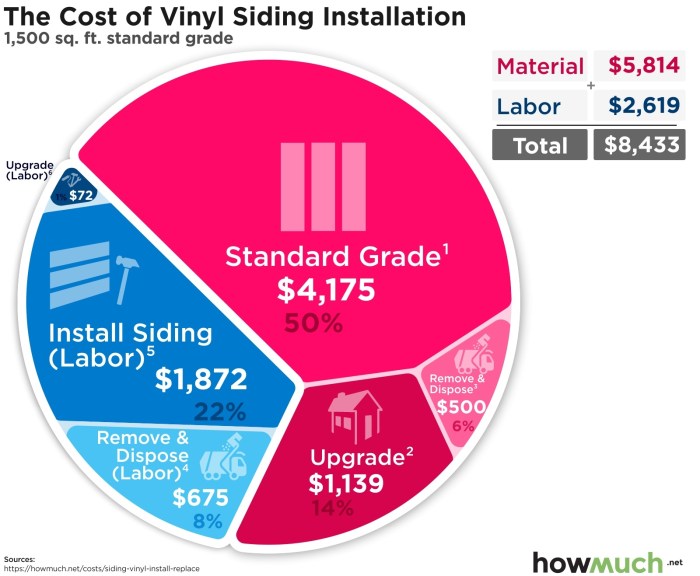
When considering the cost breakdown of vinyl siding installation, it is essential to understand the various factors that contribute to the overall expenses. This breakdown typically includes the average cost per square foot, material costs versus labor costs, as well as additional expenses like insulation, trim work, and the removal of old siding.
Average cost per square foot of vinyl siding installation
- The average cost per square foot of vinyl siding installation ranges from $3 to $7, depending on the quality of the material and the complexity of the installation.
- Higher-end vinyl siding options can cost up to $10 per square foot, while basic options may start at $2 per square foot.
- It is important to consider the total square footage of your home to estimate the overall cost of the vinyl siding installation.
Material costs versus labor costs
- Material costs typically account for around 30% to 50% of the total expenses, with higher-quality vinyl siding costing more.
- Labor costs make up the remaining 50% to 70% of the overall cost, influenced by factors such as the size of the project and the region's labor rates.
- It is crucial to choose a reputable installation company that provides quality workmanship within a reasonable budget.
Additional costs
- Insulation: Adding insulation to your vinyl siding installation can increase the cost by $1 to $2 per square foot but can improve energy efficiency and reduce heating and cooling expenses in the long run.
- Trim work: Custom trim work or decorative elements can add extra costs to the project, ranging from $500 to $2,000 depending on the complexity and design.
- Removal of old siding: Removing old siding before installing vinyl siding can cost an additional $1,000 to $3,000, depending on the type of existing siding material and the size of the project.
Tips for reducing vinyl siding installation costs
When looking to reduce vinyl siding installation costs, there are several strategies you can employ to make the project more budget-friendly. Whether it's negotiating with contractors, considering DIY installation, or choosing the right time of year for cost-effective installation, these tips can help you save money while still achieving a high-quality finish.
Negotiating with Contractors
- Get multiple quotes from different contractors to compare prices and services offered.
- Ask for discounts or promotions that contractors may have available.
- Consider bundling services or materials with the same contractor for potential cost savings.
- Be open to negotiating on the scope of work or materials used to lower overall costs.
DIY Installation Impact
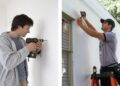
- Consider your level of expertise and the complexity of the installation before opting for a DIY approach.
- Research and educate yourself on proper installation techniques to avoid costly mistakes.
- Factor in the cost of tools and equipment needed for DIY installation versus hiring a professional.
- Keep in mind that DIY installation may void warranties on materials or workmanship.
Choosing the Right Time of Year
- Off-peak seasons, such as late fall or winter, may offer lower installation costs due to reduced demand.
- Avoid peak seasons like spring or early summer when contractors are busy and prices may be higher.
- Consider scheduling installation during slower times for contractors to potentially negotiate better rates.
- Climate conditions in your area may also impact installation costs, so plan accordingly for optimal pricing.
Final Thoughts
In conclusion, understanding the breakdown of vinyl siding installation costs, along with tips for reducing expenses, can help homeowners make informed decisions. The key is to weigh the advantages and disadvantages of vinyl siding based on installation prices.
Top FAQs
What factors affect the cost of vinyl siding installation?
The cost can vary based on house size, quality of the siding, and labor costs.
How do vinyl siding installation costs compare to other siding materials?
Vinyl siding may differ in cost from fiber cement or wood siding installation due to material differences.
What is the cost breakdown of vinyl siding installation?
Average cost per square foot, material versus labor costs, and additional expenses like insulation are key components.
How can homeowners reduce vinyl siding installation costs?
Strategies include negotiating with contractors, considering DIY installation, and choosing the right time of year for cost-effective options.