
When it comes to home improvement, one key element that often gets overlooked is the siding. In this comprehensive guide, we delve into the world of replacement vinyl siding, exploring its benefits, types, considerations, and installation process. Get ready to transform your home with a fresh new look!
Introduction to Replacement Vinyl Siding
Replacement vinyl siding refers to the process of removing old, worn-out siding from a house and replacing it with durable and low-maintenance vinyl material. This home improvement project enhances the aesthetic appeal, energy efficiency, and overall value of the property.
Benefits of Replacing Old Siding with Vinyl Siding
- Vinyl siding is resistant to rot, moisture, and insects, providing long-lasting protection for your home.
- It requires minimal maintenance, eliminating the need for frequent painting or repairs.
- Vinyl siding comes in a variety of colors and styles, allowing homeowners to customize the look of their property.
- It can improve energy efficiency by adding insulation to the exterior of the home, reducing heating and cooling costs.
Typical Lifespan of Vinyl Siding and When Replacement is Necessary
On average, vinyl siding can last 20 to 40 years, depending on the quality of the material and proper installation. Signs that replacement may be necessary include:
- Cracks, warping, or fading of the siding panels.
- Mold, mildew, or moisture damage underneath the siding.
- Increased energy bills due to poor insulation or damage to the siding.
Types of Replacement Vinyl Siding
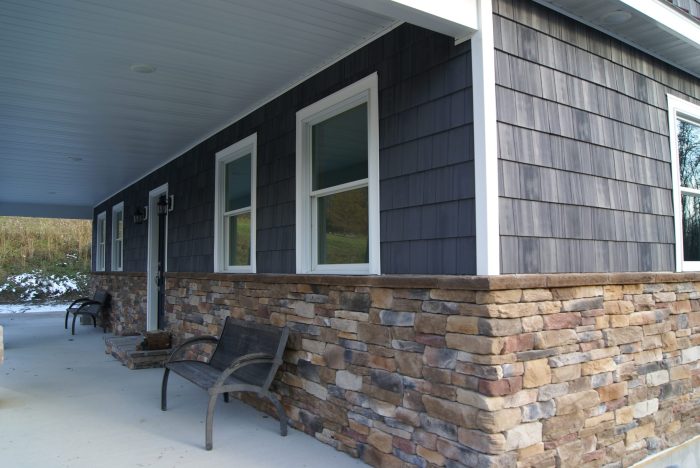
When it comes to replacement vinyl siding, there are several types to choose from, each offering unique features and benefits. Let's explore the different options available for your home.
Horizontal vs. Vertical Vinyl Siding
Horizontal vinyl siding is the most common choice for homes, offering a traditional look with long, overlapping panels that run parallel to the ground. On the other hand, vertical vinyl siding features panels that run up and down, creating a modern and unique aesthetic for your home.
The choice between horizontal and vertical siding often comes down to personal preference and the style of your home.
Popular Colors, Textures, and Finishes
When it comes to colors, vinyl siding offers a wide range of options to suit any style or preference. From classic neutrals like white and beige to bold hues like blue or red, you can find the perfect color to complement your home's exterior.
Textures and finishes also play a role in the overall look of your home, with options like smooth, woodgrain, or textured finishes adding depth and character to your siding. Consider the architectural style of your home and your personal taste when choosing the color, texture, and finish of your replacement vinyl siding.
Considerations Before Choosing Replacement Vinyl Siding
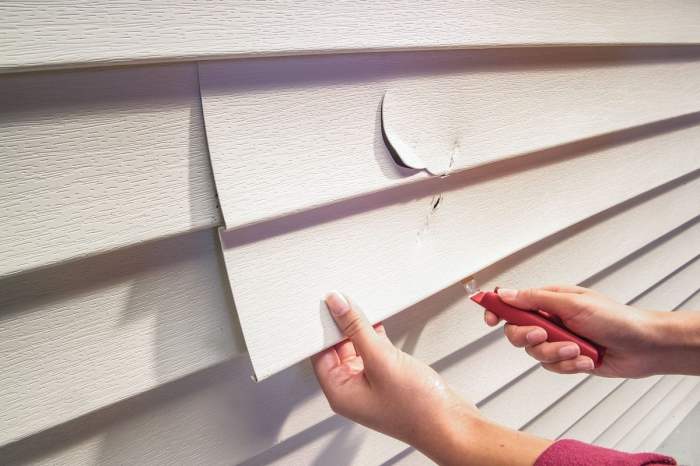
When deciding on replacement vinyl siding for your home, there are several important factors to consider to ensure you make the best choice for your needs. From cost and durability to energy efficiency and environmental impact, each aspect plays a crucial role in the decision-making process.
Cost and Durability
- Replacement vinyl siding comes in a range of prices depending on the quality and thickness of the material. It is essential to balance cost with durability to ensure you get the best value for your investment.
- Consider the long-term maintenance costs associated with different types of vinyl siding. While some options may have a lower upfront cost, they could require more frequent maintenance, ultimately costing you more in the long run.
Energy Efficiency and Insulation Properties
- Vinyl siding options with good insulation properties can help improve the energy efficiency of your home, reducing heating and cooling costs over time. Look for siding materials that offer high R-values to maximize insulation.
- Proper installation of replacement vinyl siding is essential to ensure maximum energy efficiency. Make sure to work with experienced professionals who can install the siding correctly to avoid air leaks and energy loss.
Environmental Impact and Sustainability
- When choosing replacement vinyl siding, consider the environmental impact of the materials used. Look for siding options made from recycled or sustainable materials to minimize your carbon footprint.
- Some vinyl siding materials are more eco-friendly than others, so do your research to find a product that aligns with your sustainability goals. Consider certifications like Energy Star or LEED to identify environmentally friendly options.
Installation Process for Replacement Vinyl Siding
When it comes to replacing vinyl siding, the installation process is crucial to ensure a successful outcome. Here is a step-by-step guide on preparing your house for vinyl siding replacement.
Preparation Steps:
- Remove any existing siding and trim from the exterior of the house.
- Inspect the sheathing underneath for any damage or rot that needs to be repaired before installing new siding.
- Clean the walls thoroughly to remove dirt, debris, and mold that can affect the new siding's adhesion.
- Take accurate measurements of the walls to determine the amount of replacement vinyl siding needed.
Tools and Materials Needed:
Before starting the installation process, make sure you have the following tools and materials on hand:
| Tools: | Materials: |
| - Tape measure | - Replacement vinyl siding panels |
| - Level | - Nails or screws |
| - Utility knife | - J-channel and trim pieces |
| - Caulk gun | - Insulation |
Installation Techniques and Best Practices:
When installing replacement vinyl siding, it's important to follow these common techniques and best practices:
- Start from one corner of the house and work your way across, following the manufacturer's instructions for proper installation.
- Ensure each panel is leveled and securely attached to the wall with nails or screws.
- Use J-channels around windows, doors, and corners to create a clean and finished look.
- Apply insulation behind the siding to improve energy efficiency and protect against moisture.
- Finish the installation with trim pieces to cover exposed edges and give the siding a polished appearance.
Wrap-Up
As we wrap up our exploration of replacement vinyl siding, remember that this upgrade not only enhances the aesthetics of your home but also improves its energy efficiency and durability. With the right choice of vinyl siding, you can elevate your home's curb appeal for years to come.
Quick FAQs
What is the typical lifespan of vinyl siding?
The lifespan of vinyl siding can vary, but on average, it can last anywhere from 20 to 40 years with proper maintenance.
Are there different types of vinyl siding textures available?
Yes, vinyl siding comes in various textures including smooth, wood grain, and brushed finishes to suit different aesthetic preferences.
How can I ensure energy efficiency with vinyl siding?
To enhance energy efficiency, consider insulated vinyl siding options that provide better thermal performance for your home.
What are the key factors to consider when selecting replacement vinyl siding?
Factors to consider include cost, durability, maintenance requirements, color choices, and warranty coverage for the siding.
Is vinyl siding environmentally friendly?
Vinyl siding can be recycled and is considered eco-friendly due to its longevity and minimal maintenance requirements compared to other materials.